In Madrid's Salamanca neighborhood, a Japanese counter serves a bento-format menú every lunchtime for €21: gyozas, maki, a main and a drink, with the option of taking it back to the office. It's called Kaito, it doesn't take reservations, and there's usually a queue at the door.
What does this have to do with the traditional menú del día? Everything. Because Kaito's bento is, in essence, a menú del día — with a different staging.
The same DNA, a different execution
Strip away the Japanese wrapping and look at the structure: fixed price, several balanced dishes, designed for the working lunch. It's exactly the formula Spain invented 60 years ago — the one we explain in what the menú del día is.
What changes is the execution:
| Aspect | Classic menú | Kaito-style bento |
|---|---|---|
| Price | €14.20 average (Madrid: €14.80) | €21 |
| Structure | Starter + main + dessert | Everything at once, in compartments |
| Service | Table, tablecloth, sobremesa | Counter, fast turnover |
| Take-away | Rare | Standard |
| Drink | Included | Included |
Why it works (and what it signals)
The €21 bento doesn't compete on price — it sits 40% above the Madrid average, as you can see in our menú del día price comparison. It competes on something else:
Speed without the fast-food feeling. Everything arrives at once, you're done in 25 minutes and quality doesn't suffer. For anyone with exactly one hour of lunch break, that's gold.
Flexibility. Can't sit down today? Take it with you. The classic menú almost never offers that way out, and it's one of its biggest unfinished assignments.
A fixed price with no surprises. The great virtue of the menú del día, intact. The customer knows exactly what they'll spend before walking in.
It's the same conclusion we reached when analyzing whether the menú del día is in danger of extinction: the format isn't dying, it's transforming. And the bento is the most literal transformation we've seen so far.
What the classic menú can learn
You don't need to go Japanese to take notes:
- Offer the menú as take-away. The same starter and main, in a container to go. Whoever doesn't have time to sit down today can still be your customer.
- Publish the menu online every day. Kaito's queue doesn't come out of nowhere: people know what's on before they go. The menu taped to the window is only seen by whoever already walks past.
- Mind the pace. Not everyone wants a long sobremesa on a Tuesday. Serving fast isn't serving worse.
And meanwhile, the classic holds its ground
Nobody should bury the original: for €14-15 you still get a starter, a main, dessert and a drink at a table. The food-to-price ratio of the classic menú del día remains unbeatable — the bento is a complement, not a substitute.
Restaurants with a menú in Madrid
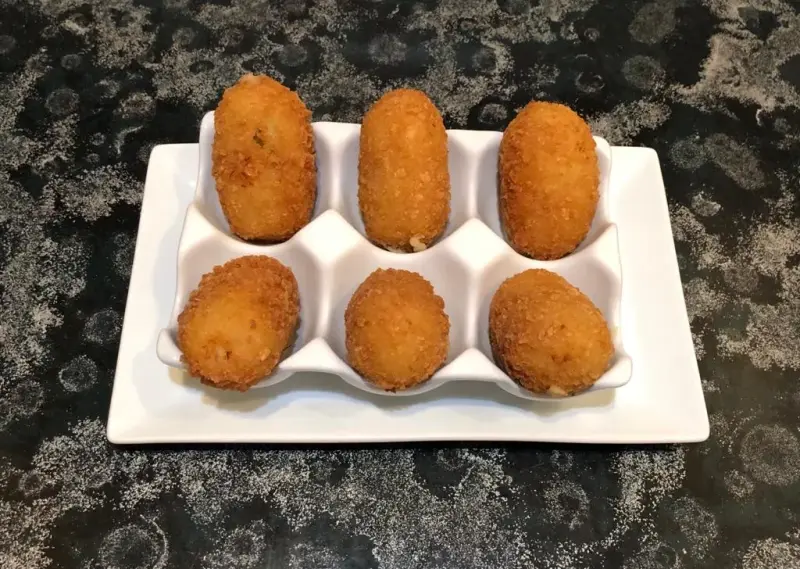
Cafetería Santa Isabel
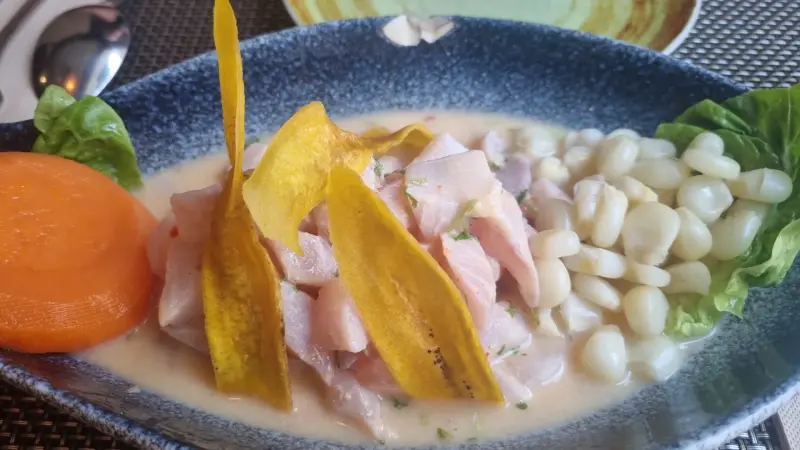
Restaurante Mi causa
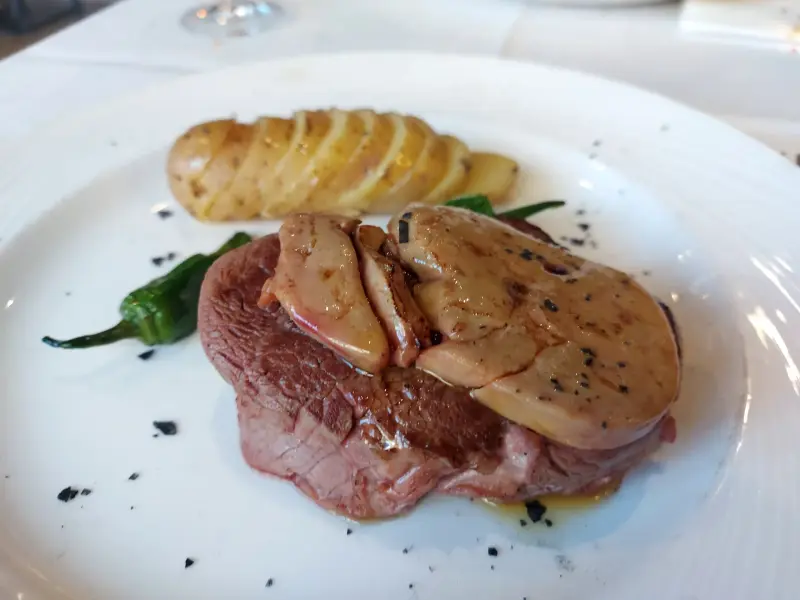
Petit Azca. Bernabéu - Bar Restaurante con Terraza en Madrid
Data updated in real time from Appetece
The conclusion of summer 2026: the Spanish lunchtime is no longer a monoculture. Classic menú, bento, market-driven single dish — they all share the same promise of a fixed price and real food. The diner wins.
Want to see which menús are being served today near you? Find them on Appetece — updated every day.